Everest Helicopter Tour Restrictions: A Big Shift in Himalayan Tourism
The Everest region, home to the world’s tallest mountain, has long been a dream destination for adventurers and nature enthusiasts. While trekking to Everest Base Camp (EBC) has been a traditional favorite, helicopter tours have added a touch of luxury and convenience. However, starting January 1, 2025, new regulations are set to restrict helicopter flights in the Khumbu region beyond Lukla.
This move aims to protect the region’s environment, wildlife, and the livelihoods of local communities. Here's everything you need to know about these changes and their impact on the Everest Helicopter Tour experience.
What Are the New Restrictions?
-
No Commercial Flights Above Lukla:
Helicopter sightseeing tours or transport services beyond Lukla will be halted.
-
Emergency-Only Flights:
Helicopters can operate in emergencies, such as rescues or cargo transport, but only under strict guidelines.
How This Affects Everest Helicopter Tours
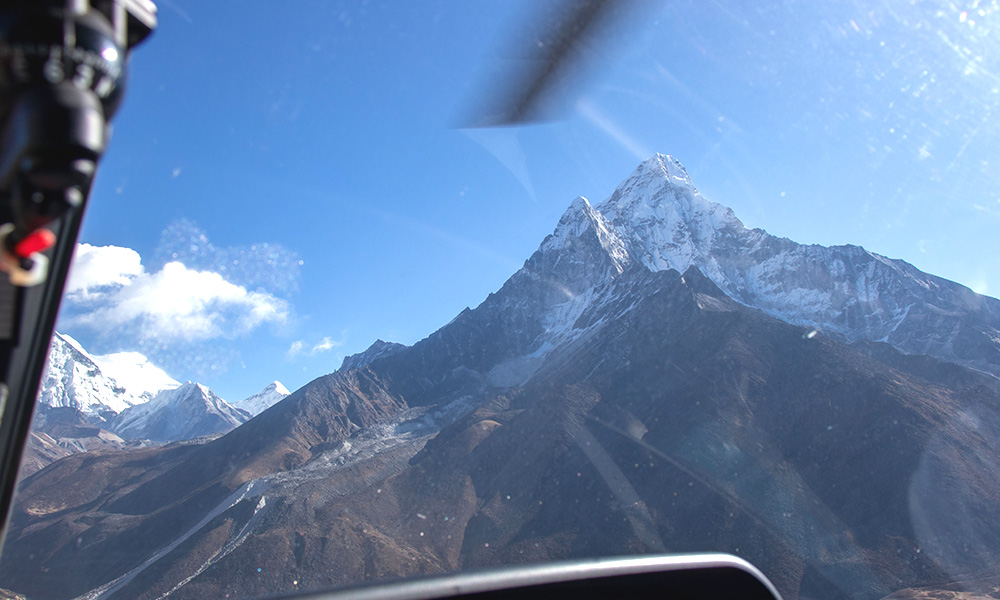
The Everest Helicopter Tour has been a fast and scenic way to explore the Khumbu region. Travelers could enjoy stunning aerial views of Mt. Everest, glaciers, and Sherpa villages—all within a few hours. With the new rules:
- No Scenic Flights Beyond Lukla: The iconic aerial views of Everest from above Namche Bazaar or closer to Base Camp will no longer be accessible.
- Limited Access to Remote Areas: Helicopter drop-offs to high-altitude spots like Kalapatthar or Everest Base Camp for sightseeing will cease.
This means travelers seeking Everest’s magic will need to rely more on trekking routes, which provide a slower but equally rewarding journey through the region’s natural and cultural wonders.
Why These Restrictions Matter
-
Preserving the Environment:
Sagarmatha National Park, a UNESCO World Heritage Site, is under threat from noise pollution and ecological damage caused by excessive helicopter flights. Protecting this pristine landscape is vital for future generations.
-
Reducing Noise Pollution:
The constant hum of helicopters disrupts the serenity of the Himalayas, affecting not only trekkers seeking peace but also local communities who live in harmony with nature.
-
Supporting Local Communities:
Helicopter tours often bypass traditional trekking routes, reducing opportunities for porters, guides, and teahouses. By encouraging trekking, these changes help support the livelihoods of locals.
A Shift Back to Traditional Trekking
While helicopter tours offered a quick way to experience the Everest region, trekking provides a deeper connection to the mountains. Walking through lush forests, crossing suspension bridges, and experiencing Sherpa culture firsthand create memories that no helicopter ride can match.
For those considering an Everest adventure, this is the perfect opportunity to embrace the traditional trekking experience. It’s not just a journey; it’s a story to tell, with every step revealing new perspectives and challenges.
Tips for Planning Your Everest Adventure
- Prepare for Trekking: If you’re shifting to traditional trekking, invest in good gear and ensure you’re physically ready for the trails.
- Consider the Season: Autumn (September to November) and spring (March to May) offer the best weather and views for trekking.
- Plan for Emergencies: Helicopters will still operate for rescues, so ensure you have proper travel insurance.
The Road Ahead for Himalayan Tourism
The Everest Helicopter Tour has been a marvel of convenience, but its limitations remind us of the responsibility we carry as visitors. The mountains are not just a backdrop; they’re a living ecosystem that sustains life and inspires awe.
By reducing helicopter flights, the Khumbu region is taking a bold step toward sustainable tourism. This change encourages travelers to slow down, embrace the journey, and rediscover the essence of adventure.
Ready to Explore Everest the Traditional Way?
Pack your bags, lace up your boots, and get ready to walk the trails that have inspired countless explorers. Because in the end, the real magic of Everest lies not just in its heights but in the journey that takes you there.